Financial Goals
A 30-Day Money Challenge to Reset Your Financial Habits

A 30-day money challenge works best as a structured reset, not a single dramatic sacrifice for a month. A challenge built around one extreme rule — no spending at all, for example — is harder to sustain and easier to abandon partway through than a challenge built around a series of small, specific, varied actions that build real visibility and habits by the end.
Why a Varied Structure Works Better Than One Extreme Rule
An all-or-nothing rule, like a strict no-spend month, tends to work until it doesn't — one lapse can feel like the whole challenge failed, which often leads to abandoning it entirely rather than continuing with a small setback. A structure with a different small action each day builds resilience into the challenge itself: missing one day's specific action doesn't undermine the days before or after it.
A Sample 30-Day Structure
Days 1-5: Visibility. Pull and review the last month of transactions, list every subscription and recurring charge, calculate real take-home income, list every debt with its balance and rate, and set up or update a basic budget.
Days 6-12: Small, Specific Actions. Cancel or downgrade one unused subscription, set a specific grocery list before the next shopping trip, wait 48 hours before one non-essential purchase, review one recurring bill for a better rate, and log every expense for a full week without exception.
Days 13-19: Building Structure. Open or confirm a separate savings account, automate a specific savings transfer amount, set a specific debt payoff order if applicable, categorize the past week's tracked expenses, and set a recurring weekly check-in day going forward.
Days 20-26: Reinforcing Habits. Complete a second full week of consistent expense logging, review progress against the budget set up in week one, redirect any windfall from the month directly toward a savings or debt goal, check for any duplicate or overlapping subscriptions, and revisit the debt or savings goal's specific target and deadline.
Days 27-30: Reset and Plan Forward. Do a full review of the month — what worked, what didn't — set one or two specific goals to continue past day 30, decide which habits from the challenge will continue (tracking, automation, weekly check-ins), and schedule the first post-challenge monthly review.
What Makes This Structure More Effective Than a Single Rule
Spreading distinct actions across the month means the challenge builds several small habits — tracking, automation, a specific review routine — simultaneously, rather than testing willpower against one continuous restriction for 30 straight days. By the end, several pieces of a lasting system exist, rather than a single habit that may or may not survive once the challenge officially ends.
Adjust the Structure to Fit Real Circumstances
This structure is a template, not a rigid script — a specific day's action can be moved, skipped, or adjusted based on what's actually happening that week. The goal is progress across the month, not a perfect, unbroken completion of every single listed action exactly as written.
What Should Continue After Day 30
The real value of a challenge like this comes from what continues afterward — not the specific 30 days themselves. Ideally, by day 30, a basic budget exists, expense tracking has become a routine rather than a novelty, at least one savings or debt goal is automated, and a recurring weekly or monthly check-in is scheduled going forward. These carrying-forward habits matter more than any single dollar amount saved during the challenge month itself.
Starting the Challenge
Pick a start date, follow the structure loosely rather than rigidly, and treat day 30 as a transition point into ongoing habits rather than a finish line where everything stops. A month is enough time to build real visibility and several small habits — turning that structure into something that lasts is the actual goal.
Want a system that keeps the visibility and tracking habits going automatically after the challenge ends? MoneyMap is built to support exactly this kind of ongoing routine.
Frequently asked questions
What's the goal of a 30-day money challenge?
Building visibility and small habits — not a single dramatic financial outcome. The real value is usually the habits and awareness that carry on after day 30, not the specific dollar amount saved during the month itself.
Is a 30-day no-spend challenge a good idea?
It can work for some people, but an all-or-nothing no-spend month is harder to sustain and easier to abandon than a more structured challenge with a mix of specific, smaller daily actions.
What happens after the 30 days are over?
Ideally, a few of the habits built during the challenge — tracking, a specific review routine, an automated savings amount — continue afterward, rather than the whole effort ending abruptly once day 30 passes.
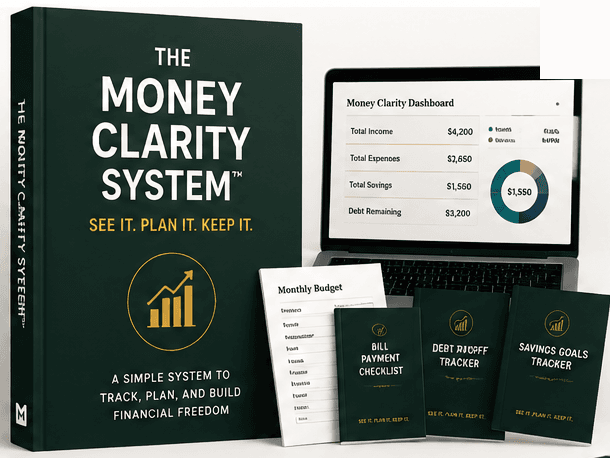
The Money Clarity System™
Ready to actually track it, not just read about it?
The full guide, dashboard, planner, challenges, and bonuses — one payment, lifetime access.
Related articles

Financial Goals
How to Build a Money Management Routine You'll Actually Keep
A money management routine works best as layers — small daily habits, a slightly bigger weekly check-in, and a broader monthly review — each doing a different job.
3 min read

Expense Tracking
How to Track Your Expenses (And Actually Keep Doing It)
Most expense tracking attempts fail within a few weeks, not because the concept is hard, but because the method chosen was more effort than the person was willing to sustain.
3 min read

Saving Money
Simple Ways to Save Money That Actually Add Up
The most effective savings tips aren't the most extreme ones — they're the ones specific and sustainable enough to actually stick past the first week.
4 min read

Financial Goals
The Weekly Money Check-In: A Short Habit That Prevents Big Problems
A weekly money check-in catches an overspending category or a stalled goal while there's still time to adjust — a monthly-only review usually catches it too late.
3 min read